
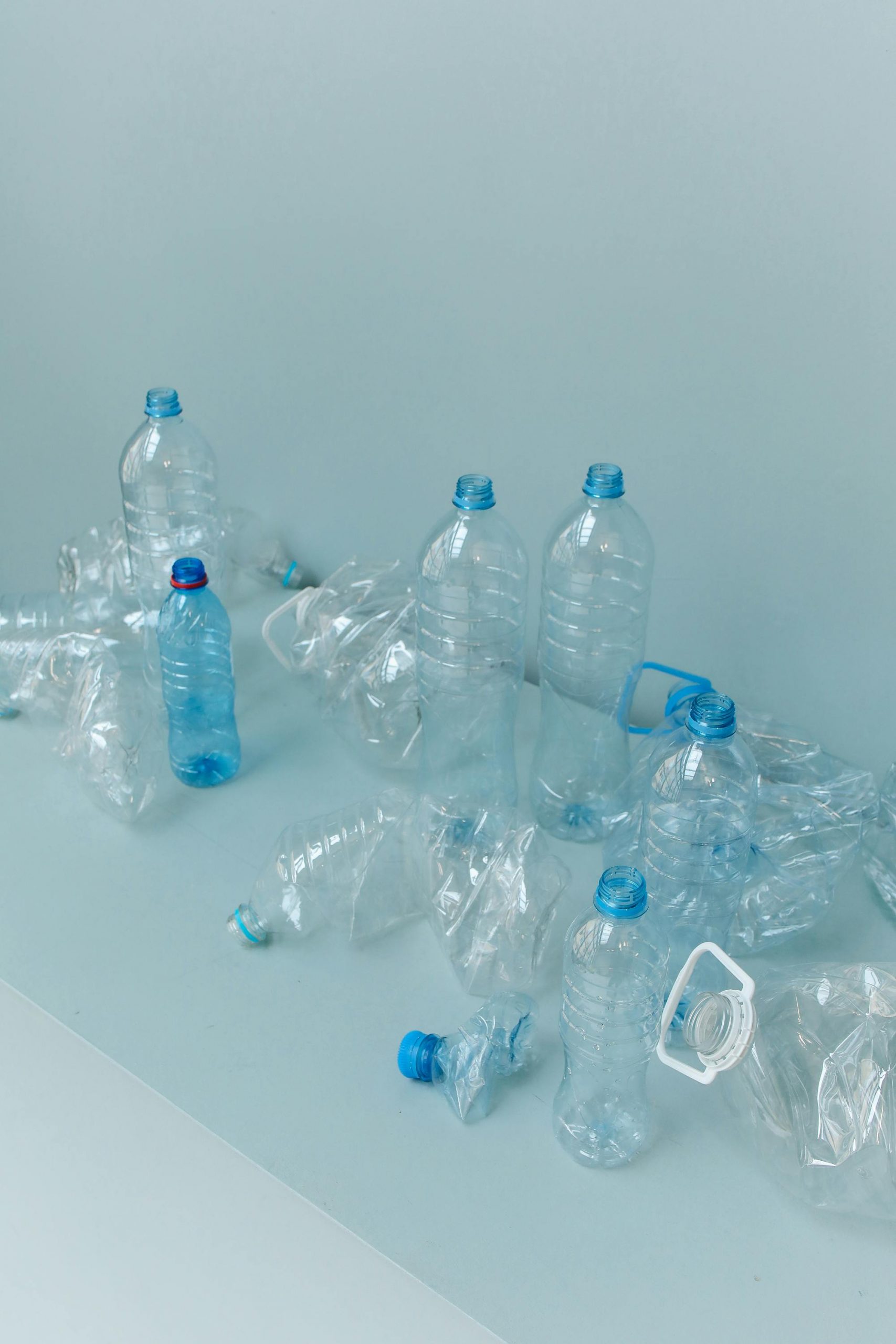
Why reducing your plastic exposure is the ultimate 2026 health goal
For years, the moral language of plastic pollution has been outward-facing. Images of tangled turtles, choked seabirds, and floating islands of waste shaped an entire generation’s environmental conscience. But in 2026, the question is no longer what plastic is doing to the planet, but what plastic is doing to us, the humans.
Recent studies detecting microplastics in human blood, lung tissue, and even placental samples have unsettled the distance we once maintained from the problem. Plastic has surpassed the category of an abstract environmental threat and become an internal one.
In response, a new kind of wellness trend has emerged that’s less photogenic than green smoothies, but arguably far more consequential, centred on reducing the amount of plastic that touches what we eat and drink.
This is not a diet in the traditional sense. There are no forbidden ingredients or prescribed calories. Instead, it asks an urgent question: what did your food come into contact with before it reached you?
Health-consciouses are calling it the “anti-plastic diet,” a reframing of health that shifts attention from nutrients to materials. It reflects growing concern that everyday interactions with plastic, such as takeaway containers, water bottles, cling film, even the lining of tin cans, may contribute to the gradual accumulation of synthetic particles and chemicals in the body.
The idea is simple, if not entirely easy. If plastic enters the body through repeated, low-level exposure, then reducing that exposure becomes a form of preventative care. A steady recalibration of habits, if you will, rather than a dramatic detox.
In many parts of the world, this shift is framed as a return to older ways of living. Glass jars, stainless steel containers, ceramic dishes which were once dismissed as inconvenient are being rediscovered as tools of modern health. Kitchens are being reimagined not just for aesthetics, but for material safety.
But the picture is not entirely nostalgic. Urbanisation, convenience culture, and the rise of packaged goods have steadily altered consumption patterns in Bangladesh. Plastic bags, disposable containers, and bottled drinks are now everywhere, particularly in fast-growing neighbourhoods. The tension between tradition and modernity plays out in our everyday choices.
What distinguishes the current moment is its framing. Environmental arguments have long urged people to reduce plastic use for the sake of ecosystems. What is changing is the appeal to personal health. It is one thing to worry about marine life; it is another to consider that fragments of the same material may be circulating within your bloodstream.
Health, after all, is immediate. It cuts through the abstraction that often dulls environmental messaging.
And yet, the science remains unsettled. While microplastics have been detected in the human body, researchers are still working to understand their long-term effects. There is no clear consensus on how harmful they are at current exposure levels. This uncertainty leaves space for both precaution and anxiety.
The anti-plastic diet operates within that space. It does not require definitive proof of harm; it follows a principle of minimisation. If exposure can be reduced without significant cost or difficulty, why not do it?
For many, the changes begin small, for instance, swapping a plastic water bottle for a metal one, storing leftovers in glass, avoiding microwaving food in plastic, choosing loose produce over pre-packaged alternatives. None of these actions are revolutionary alone, but together they signal a shift in awareness.
Critics argue that such individualised solutions risk placing responsibility on consumers while leaving larger systems unchanged. Plastic is deeply embedded in global supply chains, from food preservation to transportation. Avoiding it entirely is not only difficult but, for many, economically unfeasible.
There is also the question of equity. The ability to choose glass over plastic, or fresh over packaged, often depends on access and affordability. In wealthier contexts, the anti-plastic diet can become another marker of privilege.
And yet, its appeal is understandable. In an era where many health risks feel diffuse and uncontrollable, the idea that one can reduce an invisible burden through everyday decisions offers a sense of agency.
Perhaps the most interesting aspect of this trend is not the materials themselves, but the shift in perspective it represents. It asks us to see the boundaries of the body differently – not as sealed and separate, but as porous, constantly interacting with the environment.
In that sense, the anti-plastic diet is less about fear than attention. A way of noticing the unseen pathways through which modern life shapes us.