
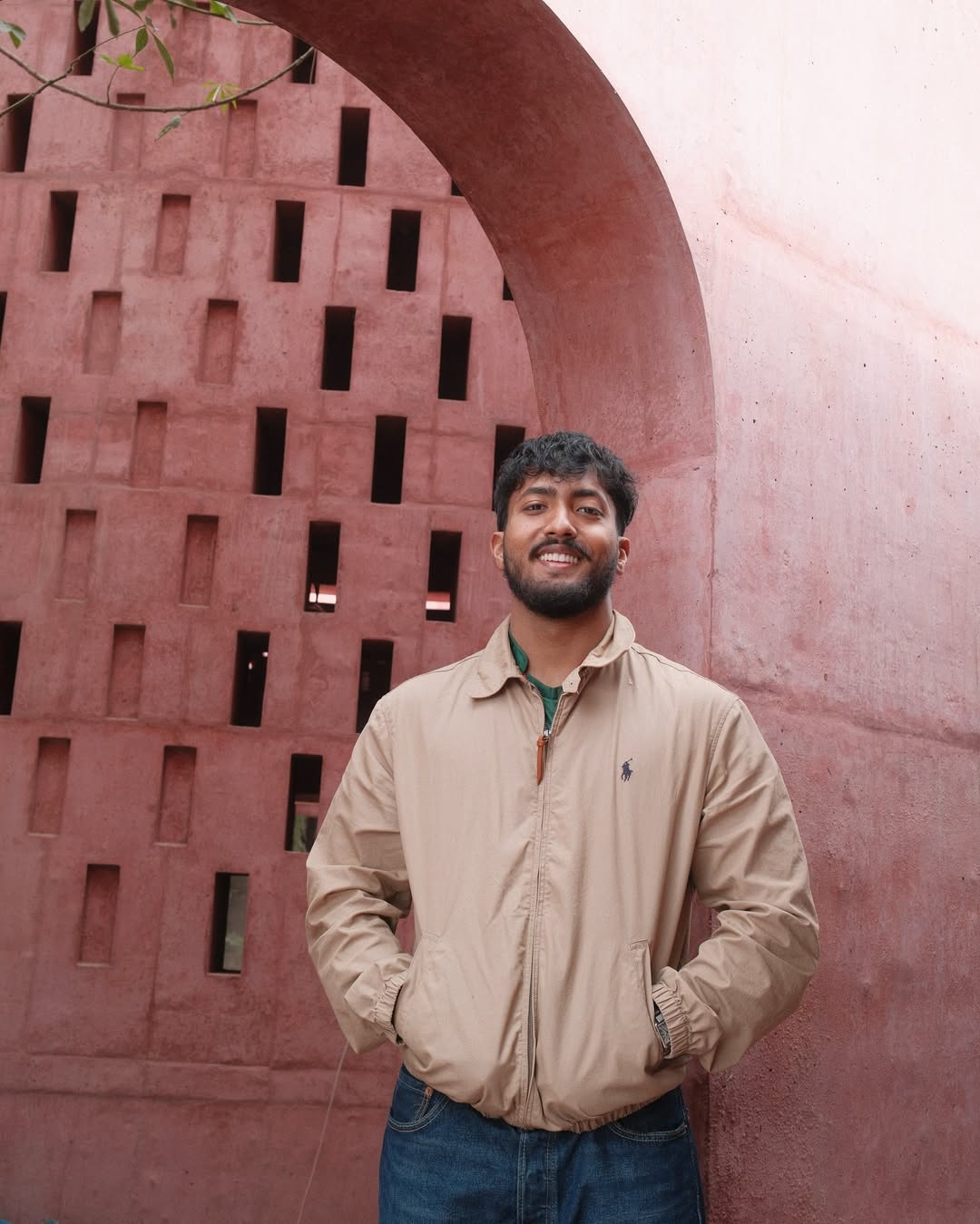
How one diasporic Bangladeshi content creator’s work is helping bridge cultures.
There is a unique energy embodied by the Bangladeshi diaspora kid. We navigate between different worlds, finding connections to our culture and homeland in surprising places, through surprising mediums. Iftishamul Nihal, Ifti to his audience, better known as “The Bideshi” (the foreigner) helps the diaspora kid to better understand the culture and history of Bangladesh.
Ifti’s story starts, as so many diaspora stories do, in immigrant life. He spent a brief period in California before moving to Florida, where he settled with his family. Even within that short transition, he encountered new communities, new perspectives, and of course, new versions of the question: “What does it mean to be Bangladeshi here?”
Ifti says he has always been interested in history. He talks about learning about The Holocaust and World Wars in school, but noting that there were no chapters about Bangladesh, about 1971, or even about Bengal in his textbooks. The schools didn’t teach it. The mainstream media didn’t cover it. And a diaspora spread thin across a Western country had few individuals to turn to for understanding our own identities.
Ifti noticed that Bangladesh media performed. He notes that there was a lot of South Asian or desi content on social platforms, but specific Bangladeshi perspectives were rare. “I noticed whenever someone would make Bangladeshi content it would do numbers. People are starved for it.” The audience existed. It just didn’t know which direction to go in.
The Bideshi began as an Instagram account. The format is simple; you will find archival photos, video clips, and Ifti’s measured narration of researched content. And so began Ifti’s work of gathering history that happened to tens of millions of people, and making it more accessible.
This was a type of creative awakening for Ifti. He laughs as he says he was never really a creative person. “I mean I had done a podcast with my friends before. We talked about football. But that was about it. This was something totally new for me.” Content creation became the space where Ifti’s intellectual interests and something more creatively expressive could meet and play.
The Bideshi’s audience has grown to over 78,000 followers on Instagram alone. Ifti emphasises that his work is not just for the diaspora, but for the masses to learn more about Bangladesh and the South Asian region.
I asked Ifti if the recognition had changed the relationships in his life. With a modest laugh he says his friends and family don’t treat him any differently; they are supportive of his work. Personally, I think Ifti presents as a grounded person. He knows his work has immense impact and value, but he also takes time offline to distance himself from the chaos of the internet. “When I first started making content, I was in the comment section all the time. I would reply to every comment!” We had a laugh about the difficulties of engaging with large audiences, and how tricky it can be to let people comment without needing to have the last word.
I asked Ifti what was next for The Bideshi. He is not done building. The Bideshi has plans to expand its website to provide more resources for people to connect to Bangladesh’s history and culture. The Bideshi merch and fashion is another creative outlet for Ifti and he has plans to create wearable identity pieces for supporters. Beyond the brand, Ifti is excited about continuing to cultivate partnerships with Bangladeshi organisations and collaborators aimed at creating a positive impact for Bangladeshis around the globe.
The Bideshi has become a bridge to identity for people like me and countless others – somewhere in the scroll of a feed, in the currents of an algorithm, people are finding themselves in the content Ifti creates. There is much more to come from this dynamic creator; and Bangladeshis around the world should keep an eye on him.