
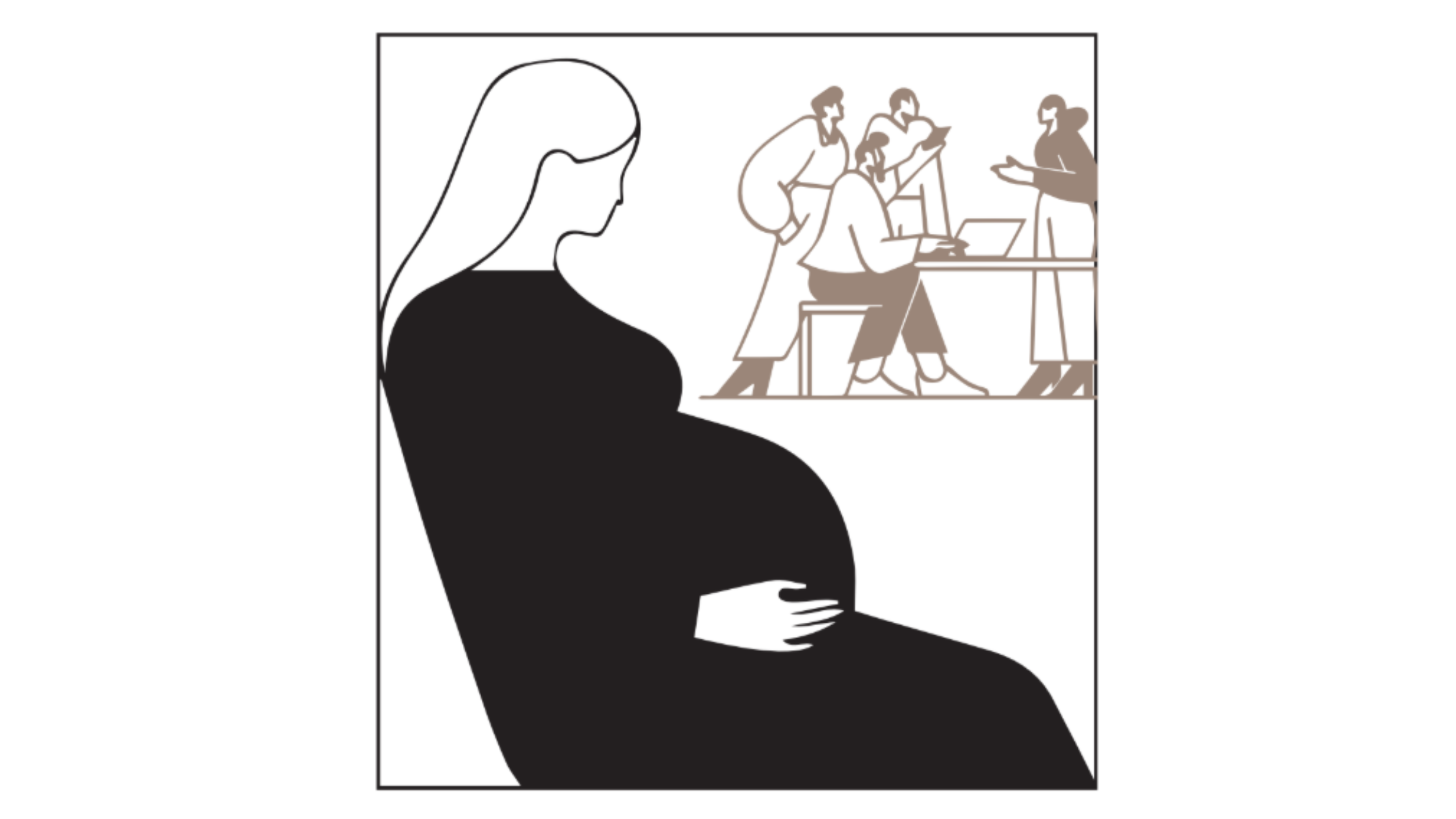
 Rethinking maternity in modern workplaces
Every year, during Women’s Month, organisations across Bangladesh celebrate women’s achievements through events, campaigns, awards, and social media appreciation posts. While these gestures are meaningful, true empowerment goes beyond recognition – it requires building policies, systems, and workplace cultures that consistently support women in both their professional and personal journeys.
One of the most important yet often misunderstood aspects of workplace empowerment is maternity leave. Too often, it is viewed as a temporary absence rather than a critical phase in an employee’s life. In reality, maternity leave represents a significant transition – one that requires time, care, and structural support from organisations.
At its core, maternity leave allows working mothers the space to recover physically, adjust emotionally, and build an early bond with their newborns. The realities of childbirth, changing routines, and new caregiving responsibilities make this period essential not only for personal wellbeing but also for long-term professional sustainability. When organisations recognise this, maternity leave becomes more than a policy; it becomes a reflection of respect.
This support plays a direct role in shaping workplace trust. Employees who feel valued during major life transitions are more likely to remain committed and engaged when they return. In this way, maternity support is not separate from organisational success; it contributes to retention, stability, and continuity within teams.
Across Bangladesh, many organisations are beginning to strengthen their human resource practices to better support maternity leave. As corporate environments evolve, clearer policies, improved communication, and more structured processes are helping create workplaces that feel more secure and respectful. This shift reflects a broader understanding that employee wellbeing is closely tied to organisational growth.
From Policy to Practice: Making Support Real
However, meaningful support does not come from policy alone. It comes from how that policy is implemented in practice. A forward-thinking workplace prepares in advance for transitions like maternity leave by building systems that ensure continuity. Responsibilities are distributed thoughtfully, knowledge is documented, and teams are encouraged to collaborate rather than rely on a single individual. When these systems are in place, maternity leave becomes a planned transition rather than an operational disruption.
The Reintegration Experience
Equally important is the experience of returning to work. Many women face an unspoken expectation to resume full productivity immediately, despite the significant changes they have gone through. A more supportive approach recognises that reintegration takes time. Flexible work arrangements, gradual return structures, or even small adjustments in expectations can make a meaningful difference in helping employees regain confidence and balance.
Workplace communication also plays a defining role during this phase. The way managers and colleagues engage with returning mothers influences their sense of belonging. Respectful, inclusive, and empathetic communication reinforces the idea that the organization values employees beyond their output. In contrast, even subtle exclusion can create distance and uncertainty.
Career Continuity and Managerial Responsibility
Another important dimension is career continuity. Many women carry a quiet concern that maternity leave may slow their professional growth or limit future opportunities. Organisations that actively address this – through fair evaluations, equal access to opportunities, and consistent career development support – help remove that uncertainty. This reassurance strengthens long-term engagement and allows employees to focus on both their personal and professional responsibilities with greater confidence.
Managers, in particular, play a critical role in shaping these experiences. Their approach often determines whether maternity policies feel supportive or restrictive in practice. When managers are equipped with the right understanding and flexibility, they create consistency across teams and ensure that policies are applied with both clarity and empathy.
Flexibility, Inclusion, and the Evolving Workplace
It is also important to recognise that maternity experiences are not the same for everyone. Some employees may have strong support systems at home, while others may be navigating new responsibilities with limited help. A rigid, one-size-fits-all approach does not reflect this reality. Workplaces that allow flexibility within a structured framework are better positioned to meet diverse needs while maintaining operational balance.
As workplaces continue to evolve, so does the definition of professionalism. It is no longer defined by constant availability or uninterrupted output, but by responsibility, adaptability, and mutual respect. Within this evolving perspective, maternity support is, without a doubt, an essential part of a modern, inclusive workplace.
A More Human Definition of Progress
Ultimately, maternity leave is about balance between professional aspirations and personal life. When organisations respect this balance, they create environments where employees feel supported not just as workers, but as individuals navigating important life transitions.
A truly progressive workplace is not defined only by performance metrics, but by how it supports people through change. Maternity is one of the most significant of those moments, and how organisations respond to it reflects the depth of their values.
| Practical Takeaway for Organisations
Organisations can strengthen maternity support by focusing on a few key actions:
Even small, consistent actions in these areas can significantly improve employee experience and build a more inclusive workplace culture. |