
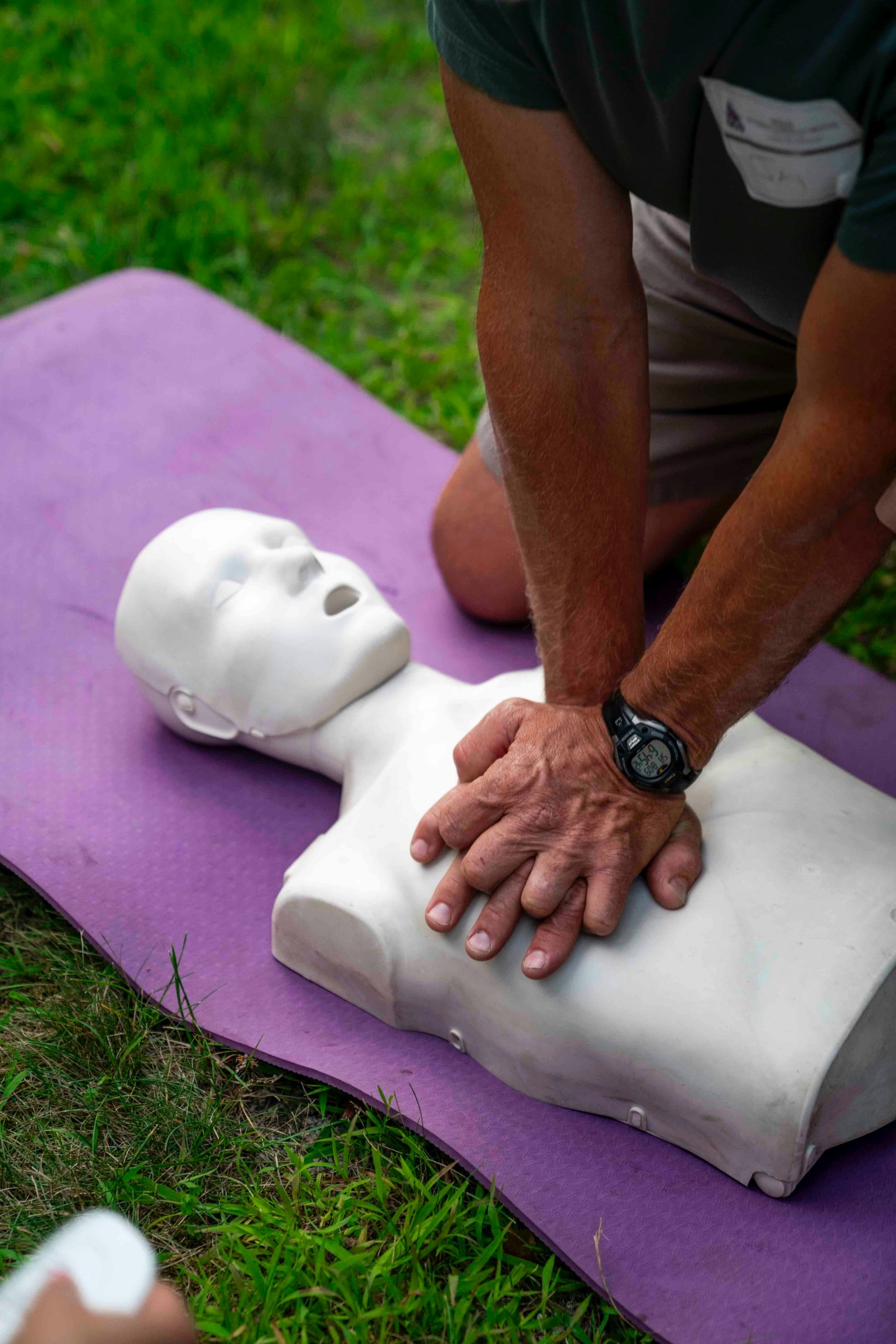
Accidents rarely occur with warnings and flashing lights, and split-second decisions taken by quick thinking first responders have often meant the difference between life and death. First aid is a non-negotiable skill in today’s fast-paced world, albeit frequently overlooked. And teaching it, especially in schools, is imperative. The question is, why hasn’t it been done yet?
A life skill that can either be incorporated in schools as an extracurricular activity or an integrated subject, first aid can equip students with the confidence and skills necessary to respond to emergencies decisively, promoting safety, and fostering a sense of human responsibility. They learn how to assess situations, use basic first aid techniques, and understand when to seek professional help. The training helps prepare them for all kinds of scenarios, from a minor incident like a scrape or a more severe situation such as a heart attack.
Directly, of course, teaching first aid in schools can contribute to reduced injuries. When they have safety knowledge, they are less likely to engage in dangerous practices. For instance, a trained first aider will be more mindful during PE classes, sports, and other such situations. This careful approach can mean fewer accidents and injuries, across the school.
Indirectly also, however, the benefits of schools teaching first aid to students run deep. When children learn about types of injuries, the importance of hygiene, and the need to adhere to safety precautions in homes, schools, and sports, this awareness spills over to the community, as students share their knowledge with family members and friends.
One underrated benefit of learning first aid is that it offers learners essential soft skills such as leadership and teamwork. As students get placed in various simulative scenarios, they work together to address mock emergencies, learn effective communications, making quick decisions, and leading their peers in stressful situations.
Students learn critical thinking, problem-solving, and assessment skills that are beneficial in various contexts through their learning of delivering first aid. They may then choose to apply their understanding of how to remain calm under pressure in academic scenarios, such as exams or presentations, for instance. These experiences not only enhance their first aid abilities but also prepare them for future roles that demand such skills.
Additionally, many schools face situations that require quick thinking and response, such as allergic reactions, asthma attacks, or injuries sustained during sports. A trained student body can be instrumental in creating a safer environment for everyone. It also fosters a sense of responsibility within the student community, as it encourages them to look out for one another’s well-being.
Understanding first aid can also encourage other soft skills such as emotional resilience, or the ability to process traumatic situations. Having the knowledge and the ability to help others can provide a sense of purpose and accomplishment. Students who learn first aid often gain a greater awareness of the impact of their actions and the importance of empathy. This emotional growth is essential for developing compassionate adults who are ready to give back to the family and community members during a crisis.
Despite the recognised need for such practical life skills and its apparent benefits, schools these days are curiously lacking in the incorporation of first aid in their curriculums. “A lack of funding cannot be a reason,” wonders Fehmina Zaman, a parent of a fifth grader. “Supplies come cheap and can be reused for years!” she continues. Other parents in Fehmina’s friend circle agree that such sessions are important and should be prioritised as part of the academic education curriculum of their children.
Fehmina’s words reassure us that it is not at least parental pushback or a lack of funds that has caused this deficiency in school curriculums. One look at Dhaka, chalk-full of hospitals, will tell you that it is likely not even a shortage of skilled staff that can deliver these trainings.
“The curriculum is jam-packed,” shares a Grade III teacher from a reputed school in the capital. “Where can we fit this?”
Schools these days prioritise core subjects such as the languages, mathematics and sciences. Beyond pure academics, they have come a long way with extracurricular activities which include a variety of contact sports, brain teasing games such as chess, and the choice of the hour- Animation and Robotics. While softer skills such as reading and public speaking are also given some importance in these weekly enrichment sessions, the absence of legal mandates have made life skills such as cooking and basic first aid optional, at best, in most institutions.
The light at the end of the tunnel- or at least some of the tunnels- is that a handful of schools have managed to find an alternative. Combining first aid safety with mandatory community service hours, schools have managed to integrate first aid training with local volunteering organisations. This engagement not only benefits students by allowing them to apply their skills in real situations, but also enhances community ties, helping them with college and university applications abroad.
The importance of teaching first aid in schools cannot be overstated. When young people are trained, they are more likely to continue using these skills into adulthood. This can lead to a more prepared population, capable of responding to emergencies confidently and effectively. While institutions such as the Flair Bangladesh Institute of Global Skills and the Bangladesh Red Crescent Society offer certified courses for a nominal fee, enrichment programmes incorporated into school curriculums can be a much more efficient way of increasing awareness about the issue and training the student masses.