
R.F. Kuang, in her novel Babel, argues that language is merely difference — a thousand distinct ways of seeing the world — and that translation is the necessary, if sometimes futile, endeavour to move between those distinct worlds. For author Younguang Mro, this endeavour is anything but futile. His most recent work, Nammo Tsen Kiyak Mi, which brings the saga of the nation’s seven Bir Sreshthos (Most Valiant Heroes) to the Mro language, is a profound act of national inclusion.
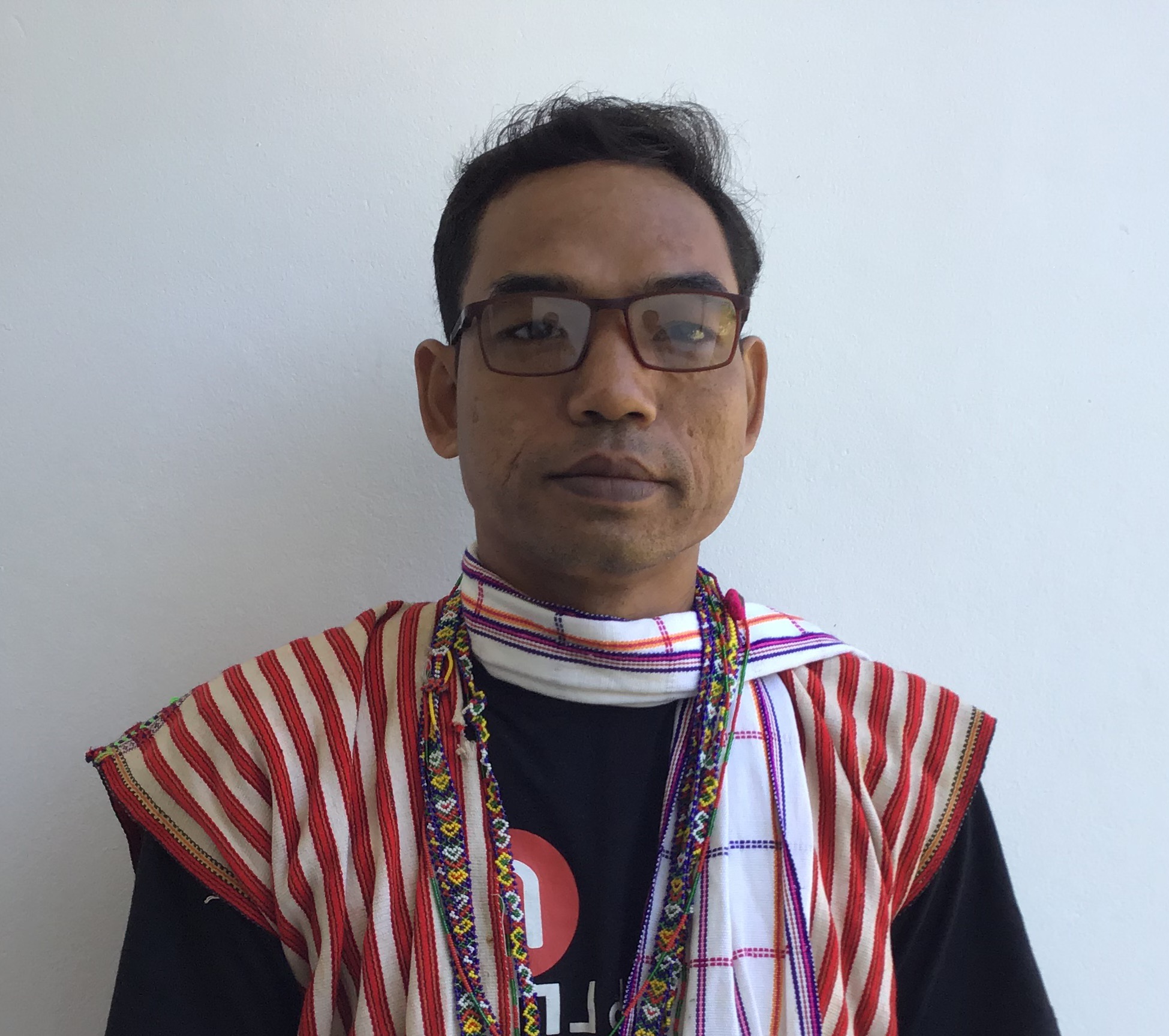
Younguang Mro is a linguistic custodian as much as he is an author. His foundational work, including authoring the first Mro grammar book, Totong, and developing the first Mro dictionary, has solidified his reputation as a key figure in preserving the Mro language and culture. In fact, our conversation begins not with his book, but with his community roots. He spoke passionately about Runlen Thaba Chasangra, the Krama religion hostel he helped run near Dim Hill for years.
“My goal was always to support the young people,” he shared. “We started with Mro education, of course, but I always urged the committee to introduce Bengali and English too. You need your mother tongue, but you also need to engage with the world and your nation.” It was precisely this philosophy that eventually led him to work on the translation.
The turning point came in December 2017. Younguang was at the Runlen Thaba Chasangra hostel, preparing to talk to the students about the upcoming Victory Day by reading a Bengali book on the war heroes, when Chadui Mro, an elder and guardian, approached. Curious about the book Younguang held in his hands, Chadui asked to see it. When he opened the volume, however, the Bengali script was entirely illegible to him. Younguang explained that the men featured were the heroes who had brought independence to Bangladesh. The reaction was immediate, powerful, and deeply personal.
“He looked at me with tears in his eyes and asked why his parents hadn’t sent him to school like mine.” Younguang recounted. “He said he was ‘like a blind man, even with eyes,’ because he couldn’t read Bengali and access the history of the country he belonged to.”
Chadui’s words put things in perspective for Younguang Mro. He knew at that moment that just telling these stories was not enough; he had to make the stories accessible for people like Chadui Mro. So, he made him a promise: he would translate that book into Mro and publish it so Chadui could read it.
This promise took Younguang on an eight-year odyssey that was not just word-for-word substitution, but achieving cultural and conceptual equivalency. “The Bengali word, Bir Sreshtho, is beautiful, but we needed a Mro equivalent that captured the essence,” he shared. Nammo Tsen Kiyak Mi is what we came up with.”
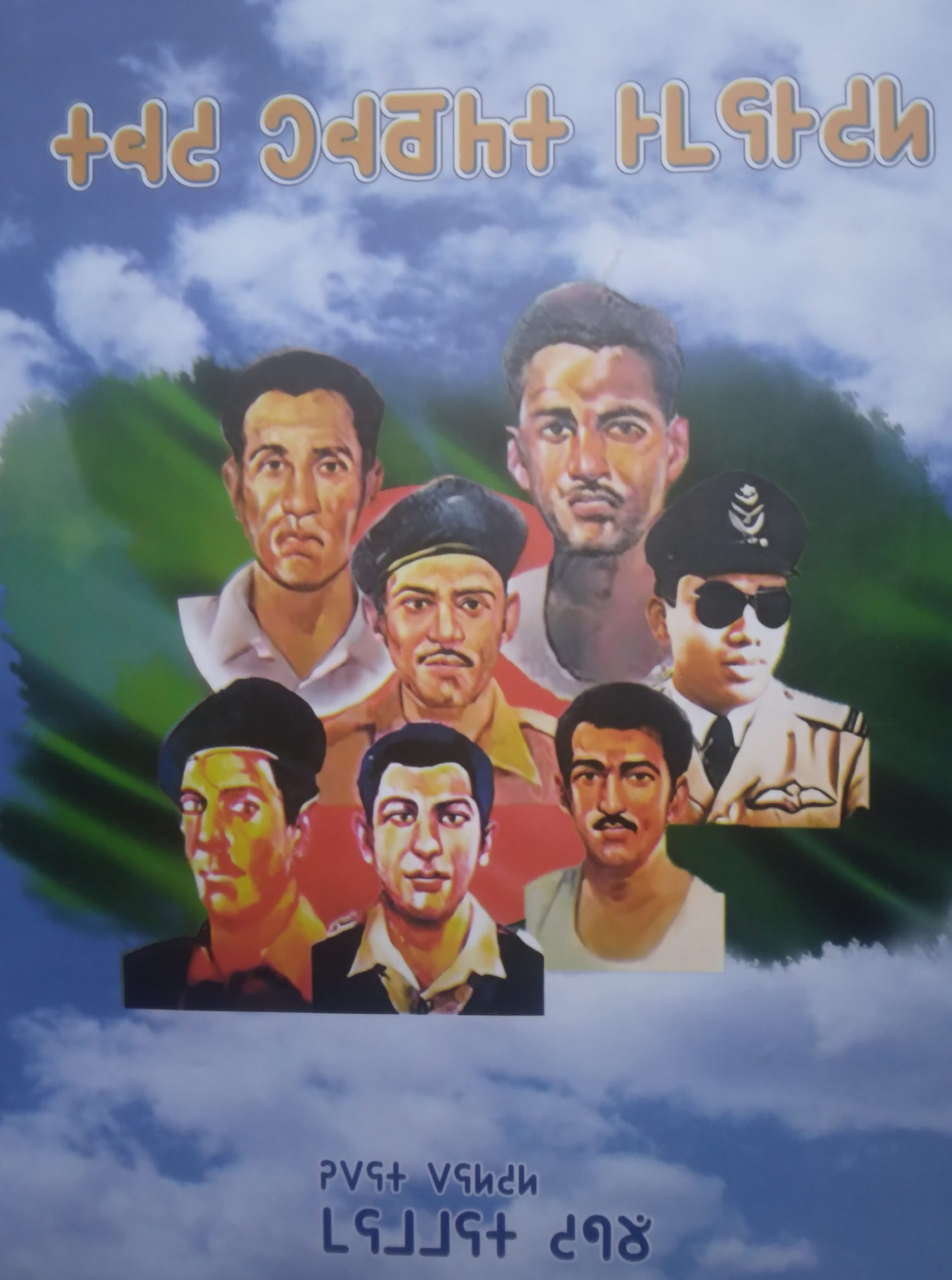
To understand the nuances of the title, we have to break it down. “Nammo” signifies being supremely proficient; “Tsen” means war or battle; and “Kiyak Mi” is a highly knowledgeable or skilled person. It is not merely a hero, but a “warrior supremely proficient in warfare” who fights for the nation.
This painstaking approach was repeated for every technical term. The book was replete with Bengali military and historical concepts that simply did not exist in Mro vocabulary. “The Mro language, being traditionally oral and tied to the hill environment, lacked words for many modern military terms, historical concepts, and abstract notions like sovereignty,” he noted.
To solve this, Younguang avoided awkward loanwords. Instead, he consulted extensively with Mro elders. “I had to ask, ‘How would our ancestors have described a situation like this?’ This ensured the concepts felt authentic and truly Mro.” Younguang spent his free time — sometimes late into the night — consulting with community elders to construct the necessary vocabulary, word by word. “It took me nearly eight years to publish a single book this way.”
The book, in this way, becomes more than a translation. Younguang Mro’s painstaking work suggests that belonging to a country should never be conditional on the language one speaks. The effort to find the right Mro words for these national concepts shows a profound commitment, that the history of Bangladesh must be accessible and feel authentic to every citizen. “When history is only available in Bengali, it creates a psychological barrier,” Younguang stated. “By putting the saga of the Bir Sreshthos in our mother tongue, we make it our own history. This is how we cultivate a deeper love, belonging, and marmata for Bangladesh.”
Younguang believes the book’s greatest legacy lies with the younger generation. With the history now accessible, he hopes Nammo Tsen Kiyak Mi will foster a profound sense of national identity.
“The Mro youth, reading this in their own language, will feel a direct connection to the country’s founding,” he said. “They will understand their role in the nation’s history, not as outsiders, but as inheritors of this freedom.”
The story circles back to its source: Chadui Mro. A year after their first meeting, Younguang heard Chadui had developed liver cirrhosis. Younguang saw him one last time, frail and skeletal, but Chadui’s only concern was the book. Seven months later, Chadui passed away. Younguang could not deliver the book to the man who inspired it, the man so eager to finally learn about independence.
The finished book, Nammo Tsen Kiyak Mi, is now dedicated to the memory of Chadui Mro.