
On a lazy afternoon in Dhaka, the quiet cul-de-sac hums into life as children play cricket, and young mothers trail behind toddlers wobbling on tricycles. A few elderly men step out of their homes; two heading to the mosque, one beginning his evening walk. This is not a planned park or plaza. It is simply a safe street, transformed by daily life into something far more meaningful: a community space. The same spirit thrives in rural Bangladesh. At the edge of a bazaar, a tea stall under a sprawling tree serves more than tea. Farmers trade notes on crop prices, young men exchange their dreams and aspirations, elders recall stories of past floods. For women, a shaded courtyard beneath a mango tree becomes a circle of solidarity, where they exchange tips, learn to sew, laugh, and share struggles. None of these places were formally designed, yet each has quietly become a heartbeat of communal life.
In a city like Dhaka, where high-rises swallow open fields and neighbours live side by side without speaking, such spaces are lifelines. Without them, communities risk becoming fragmented collections of individuals. A child without a field loses not just play, but friendship. In a village, a farmer without his tea stall loses advice and camaraderie. A woman without her courtyard loses the rare chance to speak freely. Community spaces stitch these gaps together, turning isolation into solidarity.
As an architect, I often wonder why such informal spaces succeed. The answer lies in their deep connection to people’s everyday rhythms. They feel safe, familiar, and welcoming. They carry a sense of belonging that no concrete wall or digital screen can replicate.
A well thought out community space is not only functional, it is culturally rooted, environmentally sensitive, and emotionally nourishing. Of these, the emotional value is perhaps the most vital as it can transform a space into a place of trust, support and belonging. It is a place where women can speak freely, children can play safely, and neighbours can share burdens. In addition, community spaces such as parks must also accommodate differences in socioeconomic background. We may say, a community space is for everyone but ‘everyone’ is far from uniform. Every user of the community space comes with different needs and preferences. Children need safety and room to move freely, women need privacy and a supportive environment, and elders need seating and accessibility. In urban contexts, wealthier or poorer residents may use the same park but differently. Nonetheless, the shared space offers a rare opportunity to interact. The success of a community space lies in creating a space that is inclusive and flexible enough to respond to age, ability and background; where people of every walk of life can find what they need, whether that’s safety, support, social connection, or simply a place to breathe.
In Bangladesh today, in villages and in cities, people’s lives are constantly shaped by rapid urbanisation, displacement, and climate change. These shared spaces can remind people that they are part of something larger than themselves. They hold people together.
The first step to designing a community space should begin through observation and listening. In Narayanganj’s Bihari camp, I once used a small health clinic for community meetings. I saw women gathering daily at an unhygienic pond to wash clothes, children playing nearby, and families struggling with scarce toilets. These observations shaped a proposal: a redesign of the clinic to include safe sanitation, a water point, and a ghat by the pond that could serve as both a washing place for women in the morning and a gathering ground for youth later in the day. Local bricks and masonry would keep costs low and ownership local. Though the project was never realised, the lesson was lasting: design must emerge from lived experience.
In the city context, the process can include site visits through weeks of walking through the area, listening deeply to the community, observing daily routines, asking open-ended questions, and creating opportunities for people to voice both needs and aspirations. This process often reveals surprising insights. Mapping exercises, informal sketches, and community workshops can also help identify which areas could serve as playgrounds, which as gathering spots, and which could remain quiet corners for reflection. In short, community input ensures that the space is shaped by lived experience, not just architectural plans.
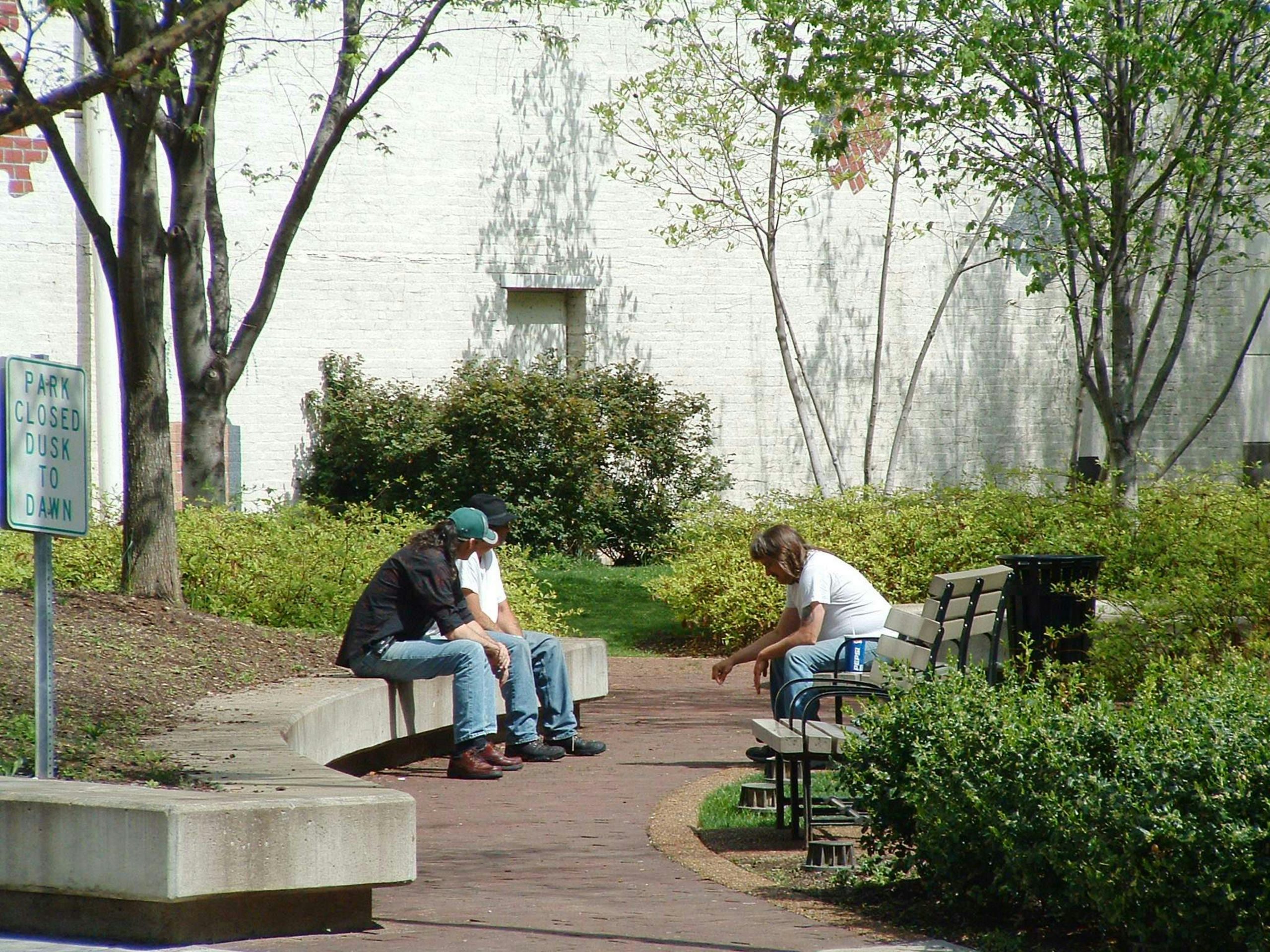
A well-designed community space or an urban park therefore needs to be multi-functional and flexible. There can be space for morning or evening yoga or walking tracks for those who enjoy jogging, walking, cycling. Benches and shaded corners allow quiet reading or reflection, while open lawns host cultural performances or weekend gatherings. The park’s design intentionally leaves space for unplanned uses — street vendors, community discussions, or friends — because it is often these spontaneous moments that create the strongest bonds. All these diverse activities are the threads that hold all its occupants together.
In Dhaka, I found a small park in Mohammadpur. It was never meant to be grand, but when I was crossing it one day, I witnessed every corner was alive — children playing, office workers having tea on benches, and an old man quietly reading the newspaper. People weren’t just passing through; they were lingering, shaping the space with their presence. That, to me, is the highest compliment a design can receive. Not by perfect finishes or rigid plans, but by whether the space feels alive and owned by its people. If residents adapt it, care for it, and fold it into their daily lives, then the space has achieved its purpose. It becomes less about design and more about belonging, a place where aesthetics fade into the background and human connection takes centre stage.
In the end, a space doesn’t need to be grand to be great. If people feel it is theirs, if they use it in their own ways, and if it adapts as they grow, then it has already succeeded.
The author is the Principal Architect & Researcher at Integrated Architecture and Development