
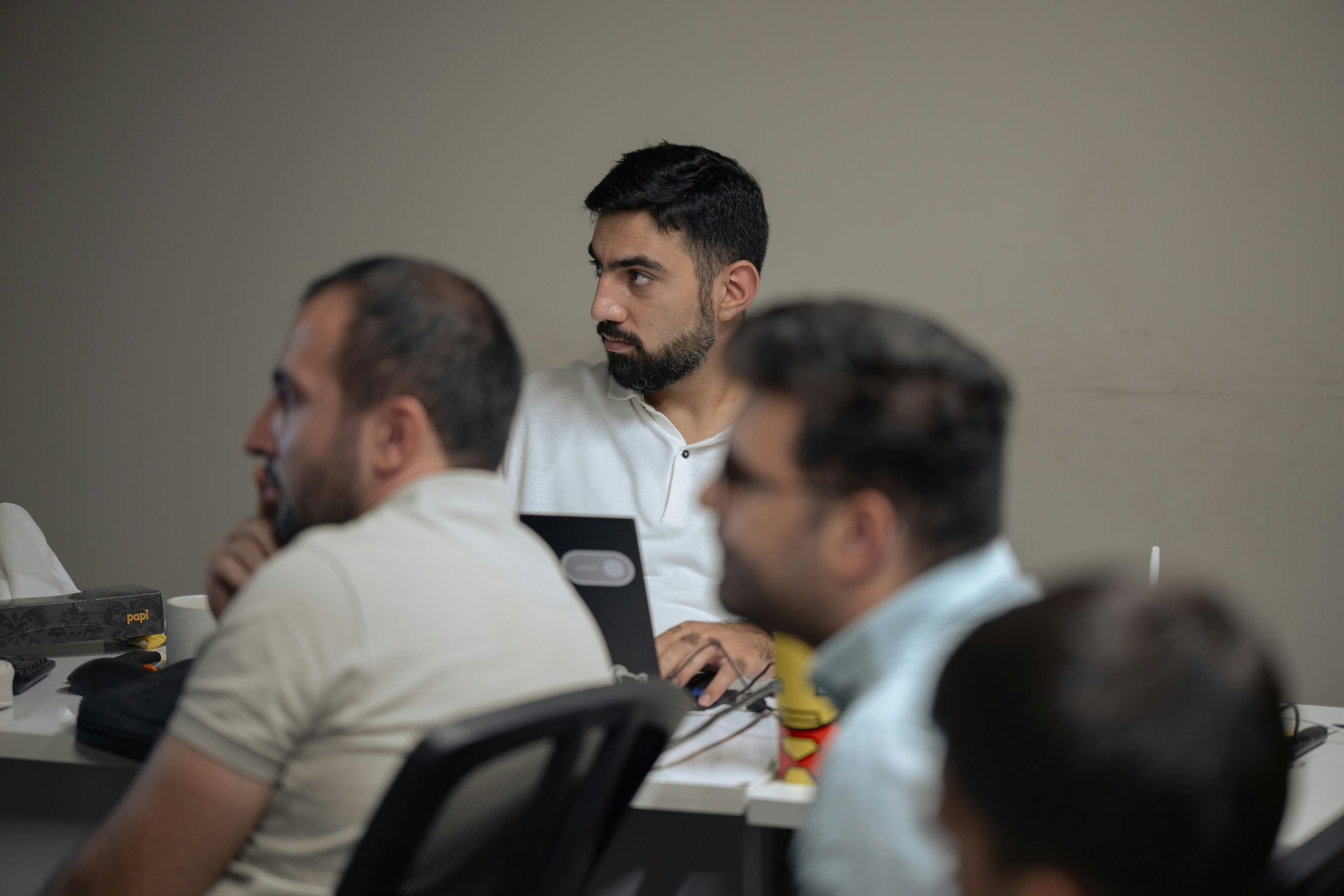
As a corporate trainer, working with more than 400+ national and international clients, I have had the privilege of closely observing how teams actually function inside organisations. From multinational companies in Dhaka to fast-growing local conglomerates across Bangladesh, one pattern appears again and again. Most corporate leaders talk about teamwork, but very few invest in building real teams.
In most of my assignments, I walk into organisations where individuals are highly educated, technically skilled, and ambitious — yet performance remains below expectation. When I diagnose the situation, the issue is rarely strategy or capability. In most cases, the core problem is weak team dynamics.
The Reality of Bangladeshi Corporate Teams
In Bangladesh, our corporate culture is still largely hierarchical and authority-driven. Employees often work in silos, communication flows top-down, and collaboration is more accidental than intentional. Many managers believe that giving targets is enough to make teams perform. Unfortunately, it doesn’t work that way.
What I frequently see is:
- Departments blaming each other instead of solving problems together
- Talented employees disengaged due to lack of recognition or trust
- Managers confusing control with leadership
- Teams performing tasks, but not sharing ownership of outcomes
Peter Drucker once said, “Culture eats strategy for breakfast.” I strongly believe this applies perfectly to corporate Bangladesh. You may have the best strategy in the boardroom, but without a collaborative culture, execution will always suffer.
Why Team Building Matters More Than Ever
Team building is not about outdoor games or annual picnics. It is about creating trust, clarity, accountability, and shared purpose. In today’s volatile business environment, no single individual can handle complexity alone. Teams must think together, decide together, and execute together.
According to Patrick Lencioni, “Teamwork begins by building trust. And the only way to do that is to overcome our need for invulnerability.” In Bangladeshi organisations, people are often afraid to speak up. Junior employees hesitate to share ideas, and mistakes are hidden rather than discussed. This fear destroys innovation and learning.
From my experience, organisations that invest in structured team development consistently outperform others in:
- Productivity and speed of execution
- Employee engagement and retention
- Leadership pipeline development
- Crisis management and adaptability
Common Corporate Problems in Bangladesh
Let me highlight a few recurring scenarios I encounter during training and consulting assignments:
- Lack of Trust
Many teams operate with suspicion rather than confidence. Employees worry about credit being stolen or blame being assigned. This creates defensive behaviour instead of collaboration. - Poor Communication
Meetings happen, but real conversations don’t. People listen to respond, not to understand. Cross-functional communication is especially weak in many organisations. - Title-Based Leadership
Authority comes from designation, not influence. Managers expect compliance rather than commitment, which limits team ownership and initiative. - No Shared Vision
Employees know their KPIs but don’t understand the bigger picture. Without a shared goal, teams work hard but not necessarily in the same direction.
Stephen Covey wisely said, “Strength lies in differences, not in similarities.” Yet many leaders in our corporate environment try to make everyone think the same, instead of leveraging diverse strengths.
Practical Solutions That Actually Work
The good news is these problems are solvable.
- Shift from Boss to Coach
Leaders must evolve from task controllers to team coaches. When managers focus on developing people, trust naturally increases. - Create Psychological Safety
Teams should feel safe to express ideas, challenge decisions, and admit mistakes. Innovation thrives only where fear is absent. - Invest in Structured Team Building
One-off workshops don’t create change. organisations need ongoing team development programs aligned with business goals. - Align Individual Goals with Team Goals
Performance management systems should reward collaboration, not just individual achievement. - Build Communication Rituals
Regular team check-ins, feedback sessions, and cross-functional meetings help break silos and improve alignment.
As Henry Ford famously said, “Coming together is a beginning. Keeping together is progress. Working together is success.” Corporate Bangladesh has mastered coming together. Now we must focus on working together.
After working with hundreds of organisations, I can confidently say this: team building is not a soft skill — it is a strategic necessity. In an era where talent is mobile and competition is global, companies that fail to build strong teams will struggle to survive.
The future of Bangladeshi corporations depends not only on smart strategies or advanced technology, but on how well people collaborate, trust, and grow together. Leaders who understand this today will build organisations that thrive tomorrow.
And from my experience, when teams are built right, results always follow.