
There’s a strange, self-fulfilling prophecy in believing everything is doomed. From climate collapse headlines to the relentless gloom of dystopian entertainment, our collective imagination often feels stuck in a perpetual downpour. We have been conditioned to expect rust, neon, corporate overlords, and probably a few too many leather trench coats. But what if we cancelled the apocalypse? We pivot hard to Solarpunk instead, trading the perpetual midnight of dystopia for community-driven, sustainable chic, ethical daylight.
Solarpunk is the revolutionary, aesthetically gorgeous answer to all that grim, gritty pessimism. It swaps the grimy alleyways of Cyberpunk for terraced waterfalls flowing down skyscrapers, and replaces megacorps with resilient, decentralised communities. It’s a philosophy that says, “Yes, things are messy, but humans are brilliant, and the sun still shines.” It’s high-tech, high-life, and completely unapologetic about its belief that we can and will build beautiful, equitable, and sustainable futures right here on Earth.
For January — a month all about resetting and aiming higher — we are diving straight into the heart of this hopeful movement. We share five essential reads that showcase the hard, creative, collective work of transitioning from chaos to calm.
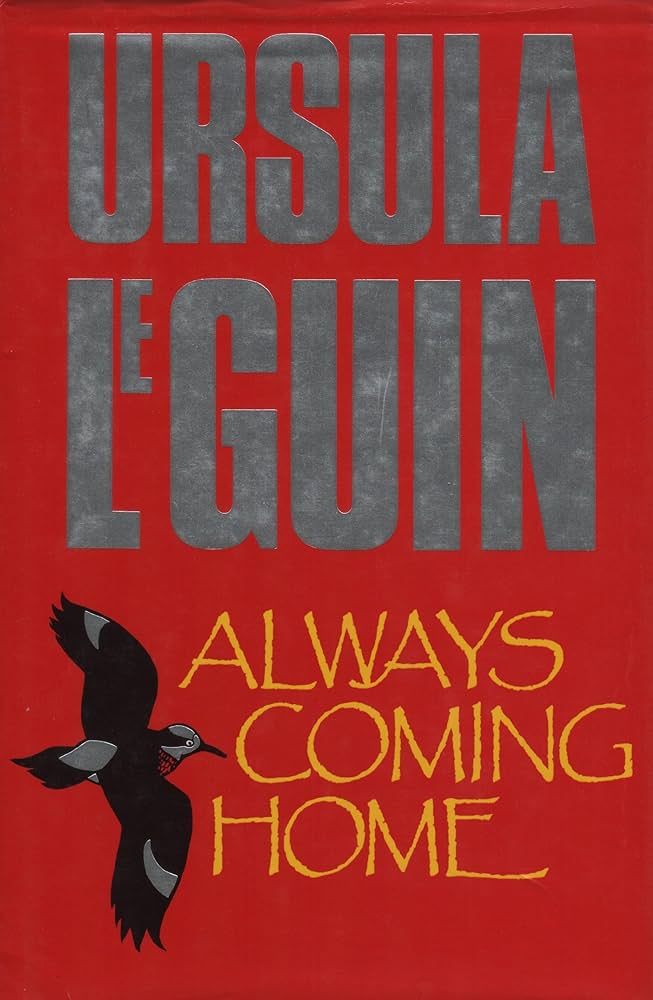
- Always Coming Home by Ursula K. Le Guin (1985)
This groundbreaking work presents an anthropological study of the Kesh, a people living in a distant future California. Following a cultural collapse, they have forged a peaceful, non-industrial society, deeply in tune with its ecosystem, eschewing technological excess for deep cultural practices and communal living. Le Guin invites us to immerse ourselves in their songs, stories, and customs, illustrating a community that has deliberately chosen sustainability and gentle coexistence. Always Coming Home earns its place by offering a profound, detailed vision of what a fully rebuilt, ecologically balanced human society looks like, shaped by centuries of careful, collective choice and a respect for local history.
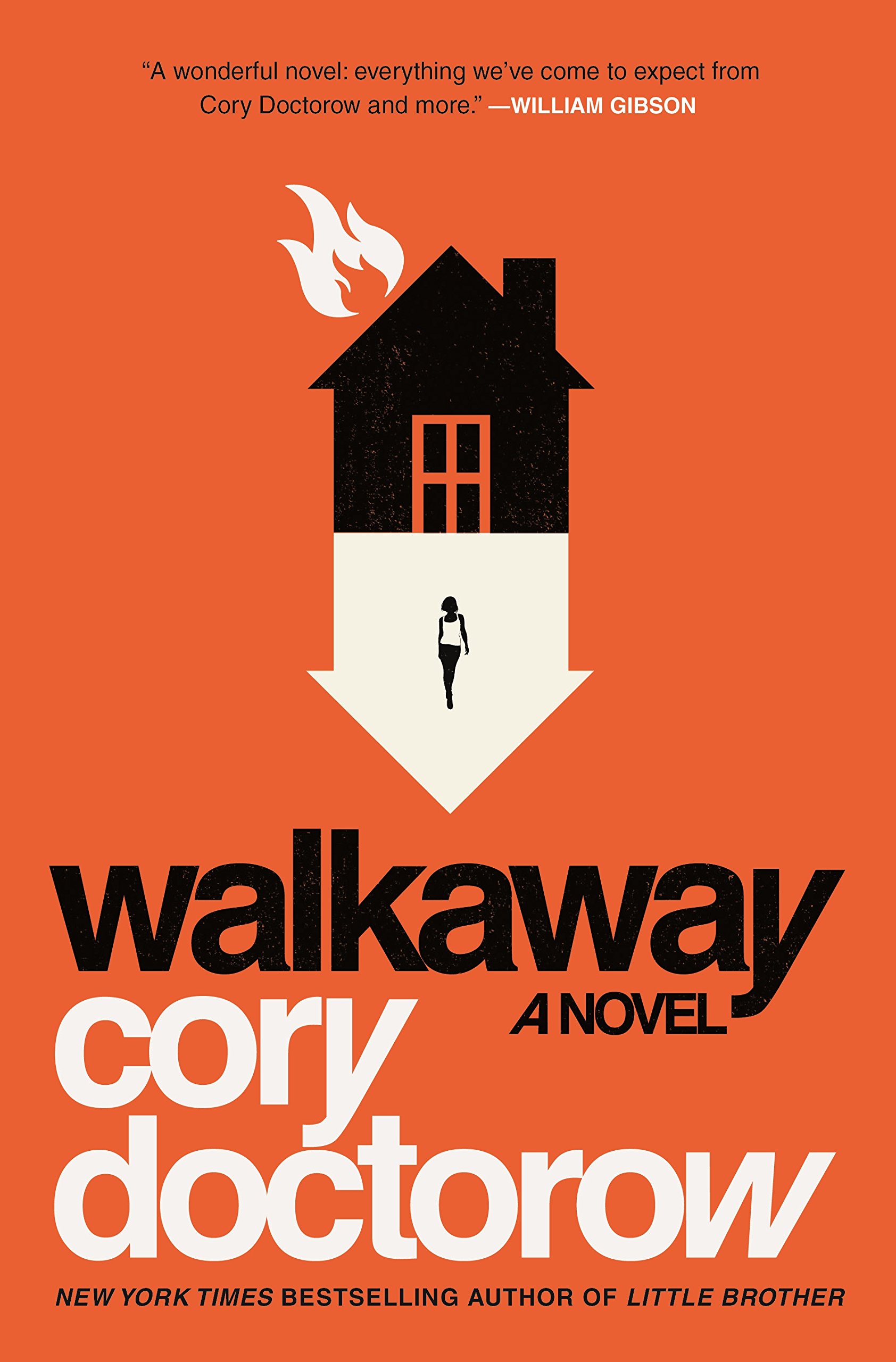
- Walkaway by Cory Doctorow (2017)
In a world increasingly dominated by automation and vast inequalities between the “Default” wealthy and the rest, some individuals choose to “walk away” from the established system. Doctorow explores the practical and philosophical challenges of creating truly decentralised, post-scarcity societies built on voluntary association. This novel highlights the radical, disruptive act of rebuilding societal structures from the ground up, emphasising self-reliance, collaborative innovation, and the power of grassroots movements to forge new ways of living, free from corporate control. The narrative is a dynamic exploration of how technology, when wielded by the people, can become the foundation for a free, equitable community.
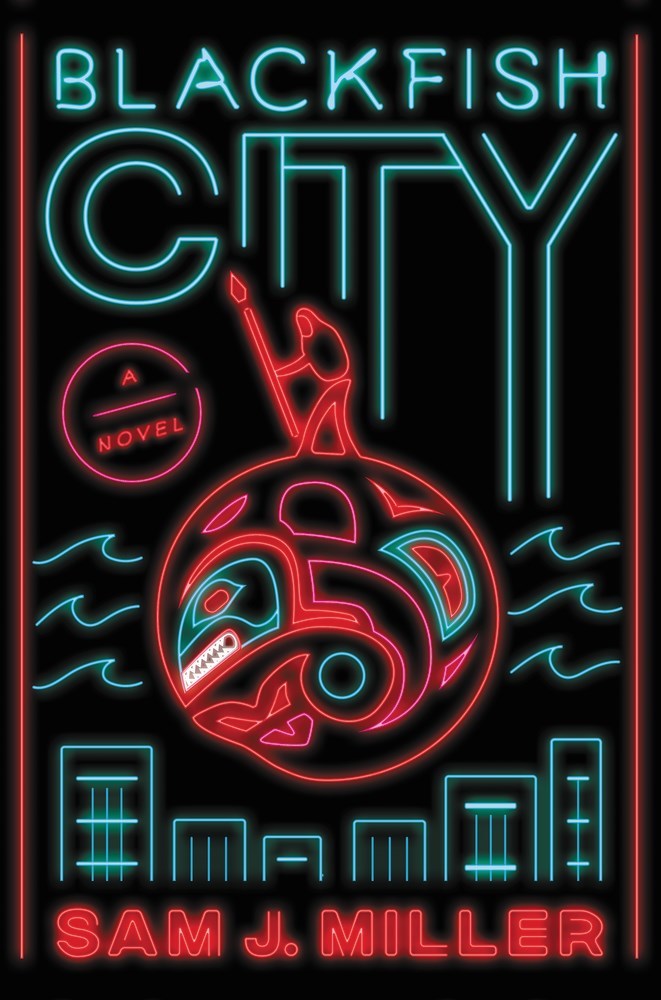
- Blackfish City by Sam J. Miller (2018)
Set in a climate-ravaged future, Blackfish City takes place on Qaanaaq, a massive floating city built for refugees in the Arctic. While the city itself is a marvel of engineering and climate adaptation, beneath its gleaming exterior, corruption, disease, and extreme poverty fester. The story follows a diverse cast of marginalised characters — a ledger clerk, a politician, a non-binary killer, and a messenger — who ultimately converge to fight the systemic injustices plaguing their new home. I liked this book for its gritty yet ultimately hopeful portrayal of rebuilding not just physical infrastructure, but also social justice within a nascent, climate-stressed community. It made me realise that the fight for a Solarpunk future requires intense collective action and resistance against those who seek to monetise resilience.
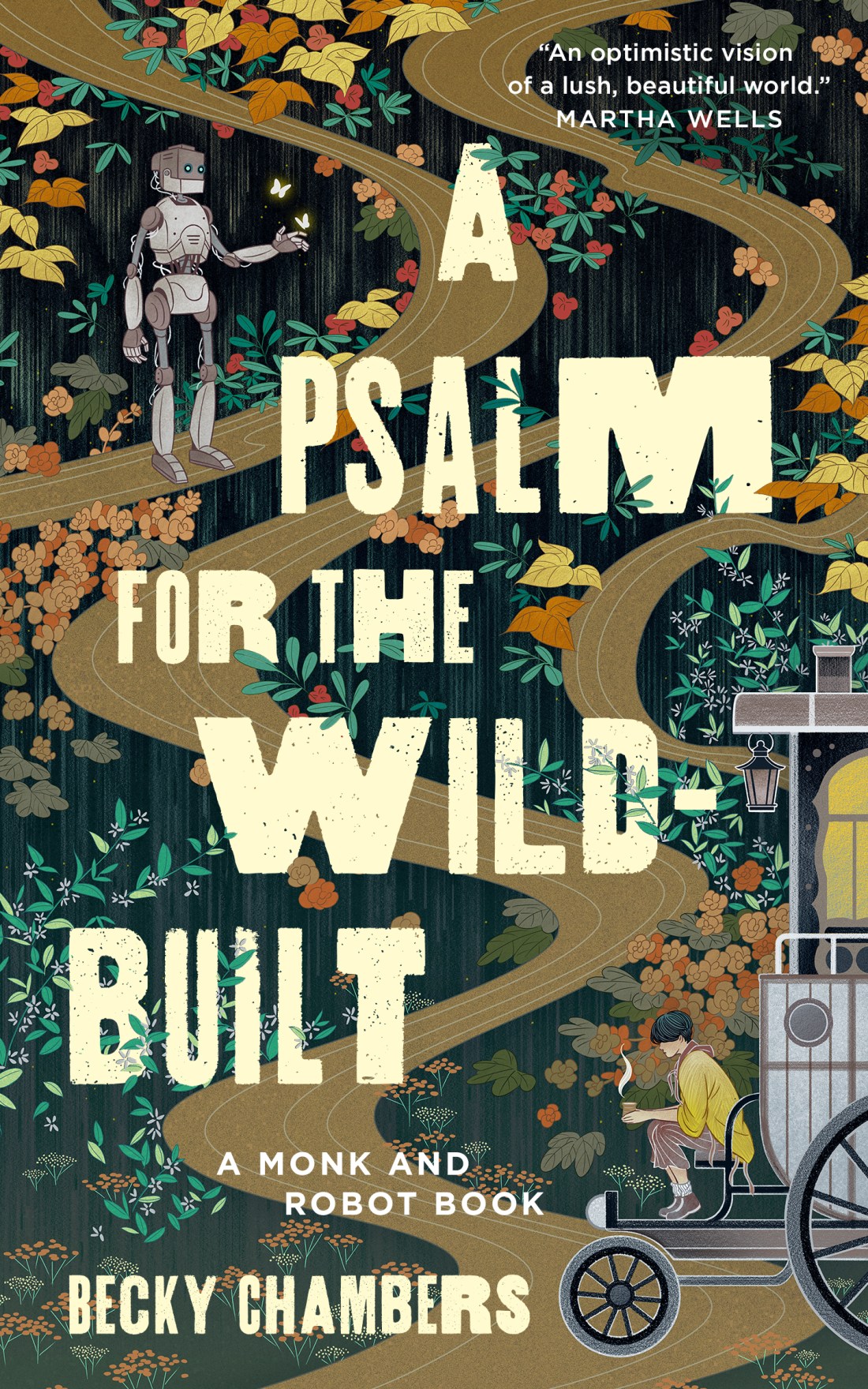
- A Psalm for the Wild-Built by Becky Chambers (2021)
Centuries after the robots gained full self-awareness and retreated into the wilderness, one of them returns to human civilisation, seeking to understand what humanity truly needs. It encounters Dex, a tea monk searching for purpose beyond the comforts of their harmonious, post-scarcity world. This beloved novella offers a warm, philosophical exploration of peace, purpose, and the gentle integration of technology and nature on the moon of Panga. The world-building subtly shows us how a society, having successfully rebuilt itself into a sustainable utopia through the event known as the Great Transition, continues to nurture individual well-being, mental health, and communal empathy. It is Solarpunk at its most humane, focusing on dialogue and kindness as the ultimate renewable resources.
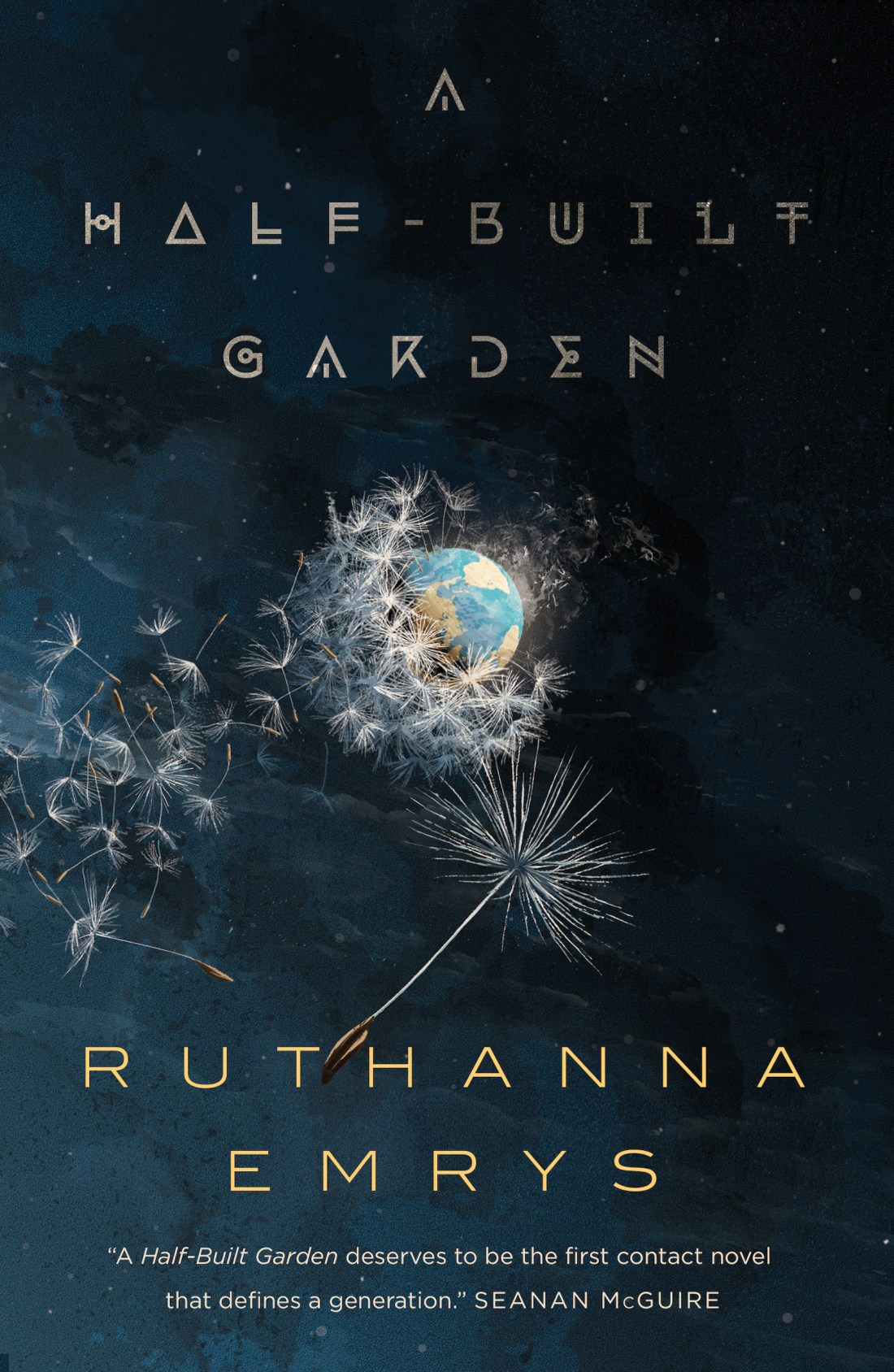
- A Half-Built Garden by Ruthanna Emrys (2022)
This first-contact novel is set in a near future where humans have largely adapted to climate change through resilient, localised watershed network communities along the Chesapeake Bay. These communities manage their own water, energy, and food systems, operating almost like interdependent, decentralised city-states. When an alien species arrives with seemingly hostile intentions, the story explores profound questions of family, environmental responsibility, and interspecies communication. The protagonist, a mother and community leader, finds herself at the heart of diplomacy, forced to bridge vast cultural and ecological divides. It earns its spot by showcasing a compelling, practical vision of human communities that have already “rebuilt” themselves to be ecologically robust and resilient, and then asks how these sustainable models can survive — or even teach — galactic neighbours.
 Trading doom-scrolling for hope-reading.