
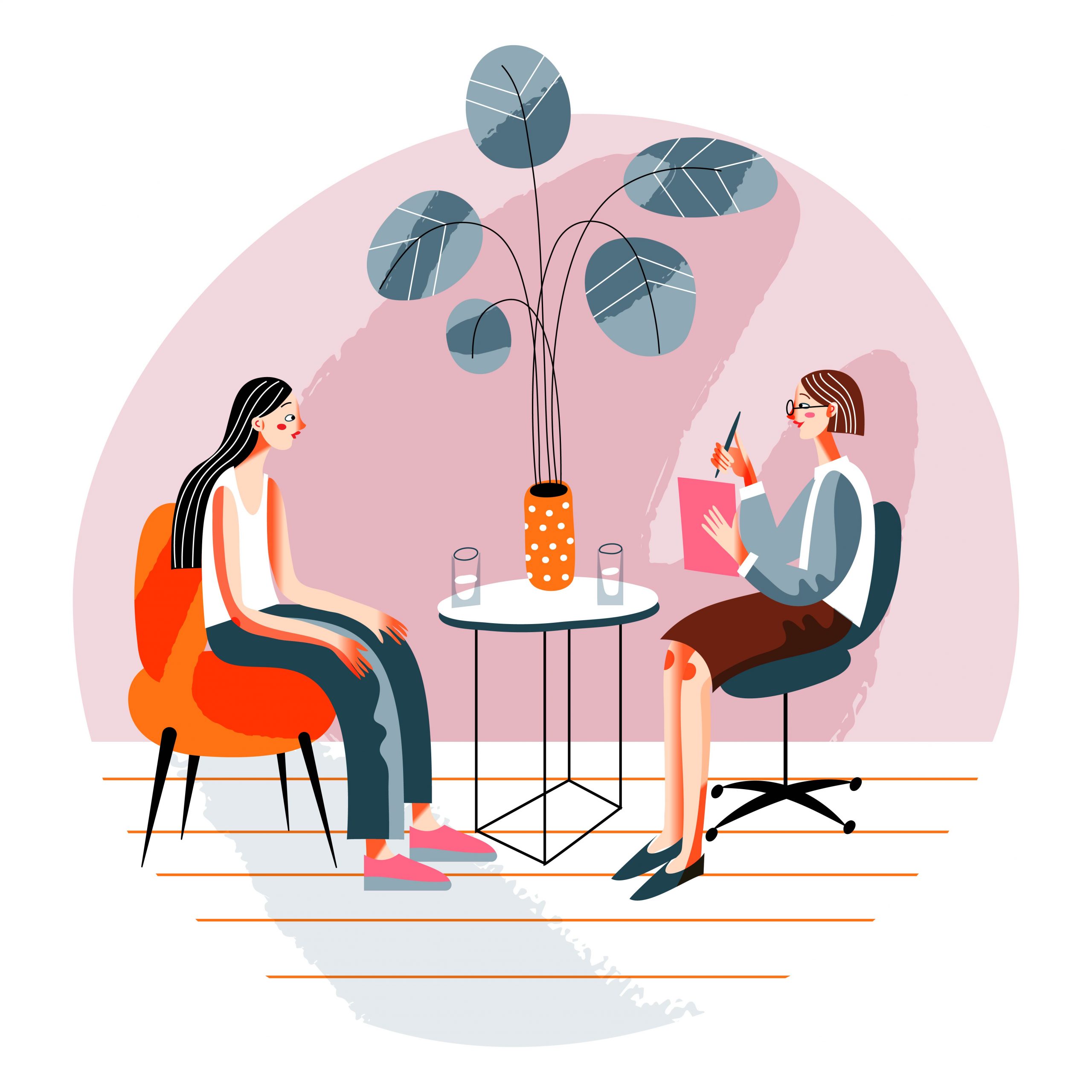
Why older generations avoid therapy.
Healing from trauma is a conscious choice. To be fully committed to it means unlearning a lifetime of behaviours learned in survival mode.
The National Mental Health Survey of Bangladesh 2019 reports that “about 19% of the total adult population is mentally ill. Among the mental health patients, a large proportion do not seek mental health treatment.”
With the changing mental health landscape in Bangladesh, it is admirable to see many people take ownership of their emotional narratives. However, some generations still strongly oppose the concept of spilling their guts at a therapist’s office.
Addressing these behaviours, Razia Sultana Rima, Psychologist & Psychosocial Counsellor at Shantibari, studies that historically, mental distress has been associated with a lack of morality, faith and a faulty character. Hence, there is a collective reluctance to view mental health as a part of physical well-being. Therefore, stigma remains largely due to the sociocultural framework in which mental health is interpreted.
Additionally, due to a lack of mental-health literacy, people are more concerned about being judged by their communities and society at large. As a result, individuals often delay seeking help until they’re showing symptoms which are severe or disruptive.
She says, older generations grew up in times when there was limited mental health awareness. “Psychotherapy challenges age-old norms by encouraging emotional expression and introspection, which may feel unfamiliar or even threatening. Especially for these generations, whose worldview focuses on emotional restraint, familial privacy and endurance in the face of hardships,” says Razia.
But what the mind buries — consciously or unconsciously, it ends up affecting our overall physical health and well-being. After all, the body keeps a score of trauma.
“When emotions are constantly repressed, the nervous system remains hyper-vigilant, which may show up as chronic muscle tension, headaches, gastrointestinal discomfort, fatigue, and disturbances in sleep,” she says.
She also adds that psychologically, individuals may experience extreme anxiety, emotional dysregulation, irritability, or a constant feeling of disconnection. It also crops up as a lack of productivity, indecision, and maladaptive coping patterns. Over time, these collective issues compromise both mental and physical well-being.
Razia highlights that therapy equips individuals with skills that can encourage healthier interactions across generations — such as emotional literacy, reflective listening, and boundary setting. She further adds that compared to older generations, the youth show more interest towards global discourse and digital mental-health resources. This demonstrates their acceptance and openness towards therapeutic interventions.
Even in families with significant generational differences, empathetic communication can strengthen emotional ties, help family members validate each other’s experiences and make conscious efforts to reduce reactive patterns. “Slowing down during conflict, acknowledging emotions without judgement, and maintaining respect for a difference of opinion helps foster a secure, emotionally involved family dynamic,” she emphasises.
However, the grim reality is that not all deshi families are open to therapy. Therefore, some people may have to start the healing process on their own. But Razia reassures that independent progress still counts. Even if their families are not a part of their journey. “Individuals can continue to heal by consistently practising self-awareness, emotional regulation, and boundary maintenance. Establishing alternative sources of support — such as peer groups, therapeutic communities, or mentorship — is also helpful. They may also choose to discontinue intergenerational patterns that no longer serve them, even if others are not ready to do the same,” she says.
Razia reminds us that this therapeutic process empowers individuals to become resilient, gain autonomy, and establish healthier relational dynamics, even if their families are not able to engage.