

Five narratives on the radical, exhausting, and essential art of nurturing.
Care is often imagined as something gentle and instinctive – a language spoken fluently by mothers, families, and those asked to hold others together. But literature has long known that nurturing is rarely simple. It can be tender and exhausting, sustaining and suffocating, shaped as much by history and class as by love itself. The five books in this list, written across different decades and cultural landscapes, approach care from strikingly different angles – through memory, grief, migration, silence, duty, and survival. Some are quiet classics rooted in ordinary lives; others are sharp contemporary works that unsettle familiar ideas of family and devotion. Together, they offer intimate portraits of people trying, and sometimes failing, to care for one another in a changing world.
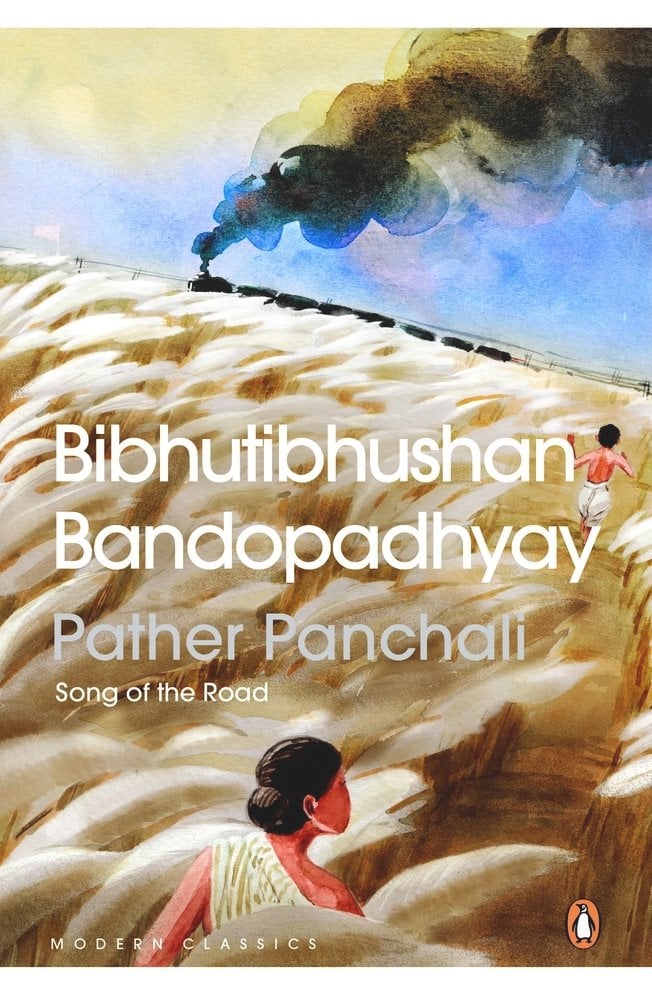
- Pather Panchali, Bibhutibhushan Bandyopadhyay, Thomas Welbourne Clark (Translator) and Tarapada Mukherji (Translator)
We follow young Apu and his sister Durga in a small Bengal village, but the emotional anchor is their mother, Sarbojaya. Her nurturing is frantic and often harsh, born from the desperation of keeping a family fed while the world feels like it’s closing in. It redefines care as a form of relentless endurance. The little road of the title is both a literal path out of the village and a metaphor for the precarious line between staying rooted and needing to escape. It’s lyrical, earthy, and remains the definitive text on the quiet dignity found in struggle.

- Letters from Thailand, Botan and Susan Fulop Kepner (Translator)
This novel unfolds through the letters of Tan Suang U, a young immigrant who moves from China to Bangkok. Over several decades, we watch him build a business empire while struggling to nurture a version of Chinese identity in his children that they increasingly reject. His care is manifested as strictness and a desperate desire to protect his family from what he perceives as the looseness of Thai cultu
re. Eventually, the letters reveal the tragedy of a man who builds a fortress for his family, only to find he’s accidentally locked himself out. It’s an honest, sometimes uncomfortable look at how protection can morph into alienation.
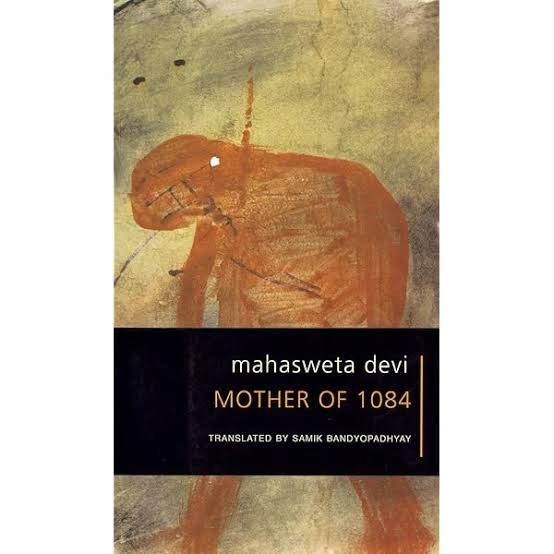
- Hajar Churashir Maa, Mahasweta Devi and Sa
mik Bandyopadhyay (Translator)
Set against the backdrop of the Naxalite movement in West Bengal, this is a cold, sharp shock of a book. Sujata is a mother whose son is reduced to a mere number, 1084, after being killed by the state. The narrative follows her over the course of a single day, the anniversary of his death, as she moves through a complacent, bourgeois society that wants her to forget. Sujata realises that to truly mother her son, she must embrace the radical ideals he died for. It’s a blistering critique of the polite family unit and a testament to care as an act of resistance.
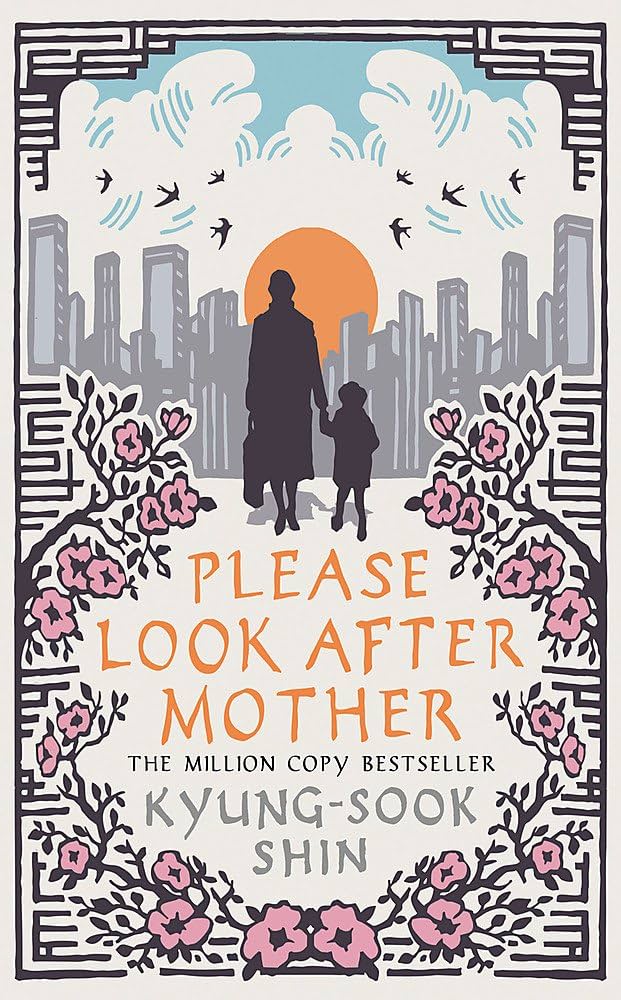
- Please Look After Mom, Shin Kyung-sook and Chi-Young Kim (Translator)
When an elderly mother goes missing in the chaos of a Seoul train station, her adult children and husband are forced to reconstruct her life through their own fragmented memories. What they find is a woman they never actually knew. The book forces the reader to confront the parasitic nature of the traditional family – how we consume the care of a mother without ever seeing the person behind the role. It’s told in a haunting second-person perspective that feels like a collective confession. It redefines nurturing as a silent, heavy foundation that only becomes visible once it’s pulled out from under you.

5. Burnt Sugar, Avni Doshi
Set in Pune, the story follows Antara as she is forced to care for her mother, Tara, who is slipping into dementia. Antara remembers a childhood of neglect and her mother’s wild, rebellious choices, making the current act of caretaking feel like a bitter irony. The book redefines the maternal bond as something that can be as corrosive as it is connective. Doshi’s prose is unsentimental, stripping away the myth of the natural nurturer to reveal the resentment, exhaustion, and dark humour that often sit at the heart of family duty.